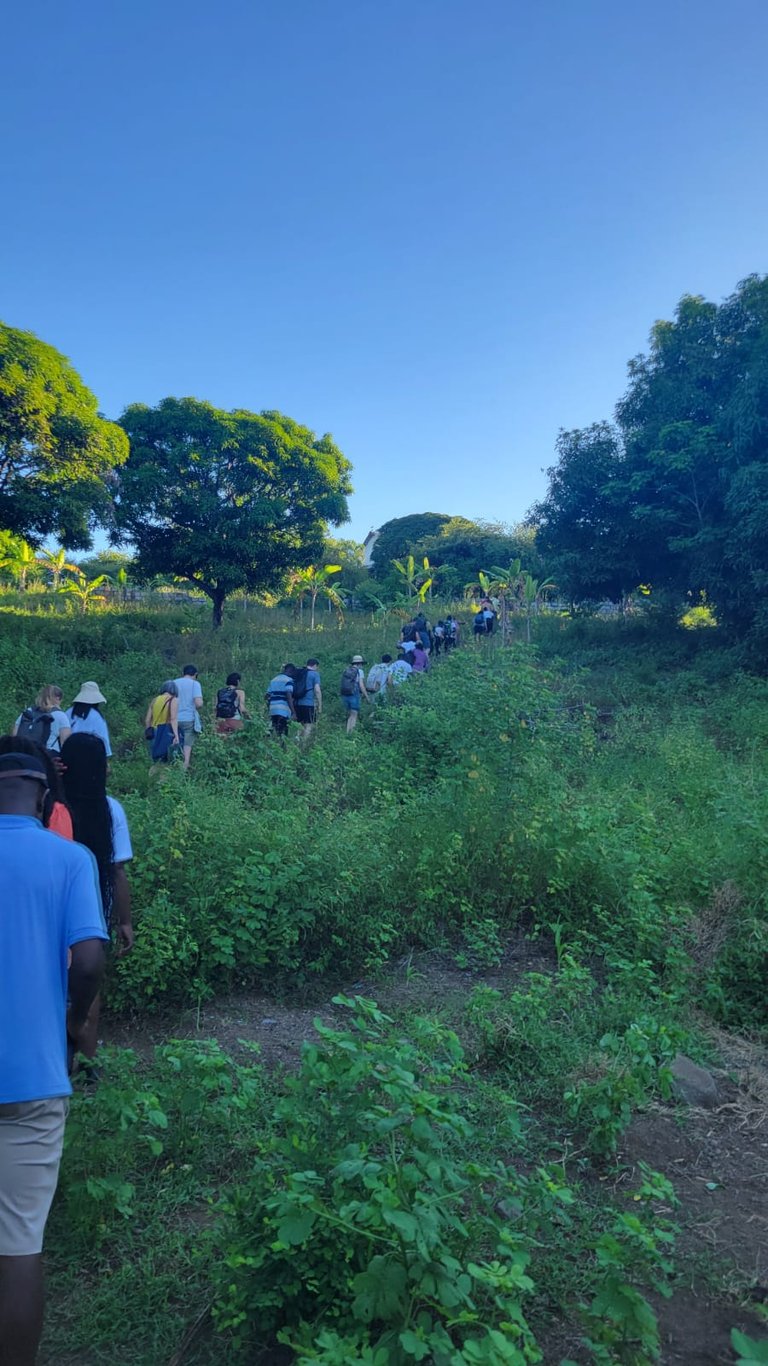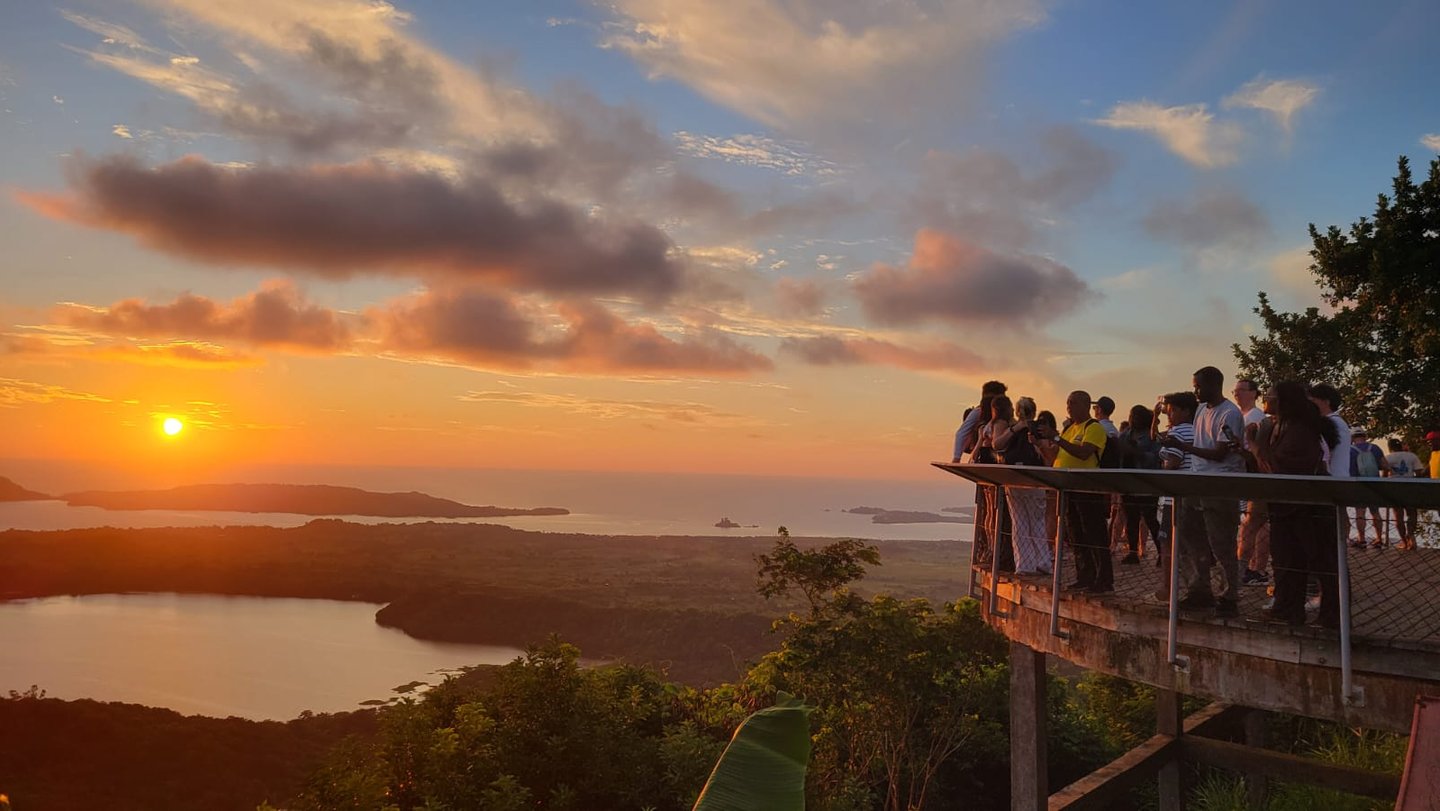
It's a wrap on CATER no. 3!!
Some reflections by CATER PI Mats Venning on the 2026 CATER School held in Nosy Be, Madagascar.
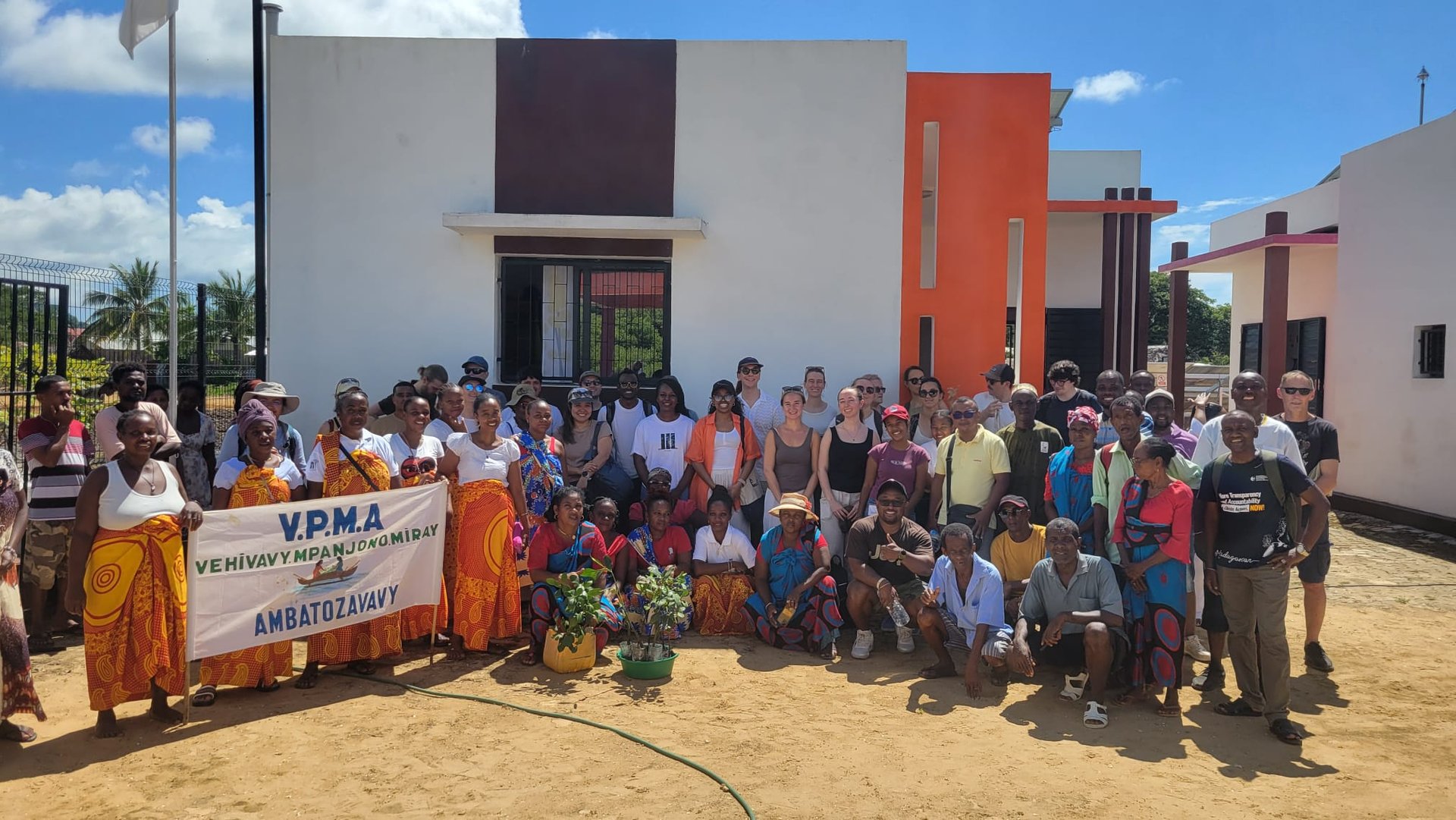
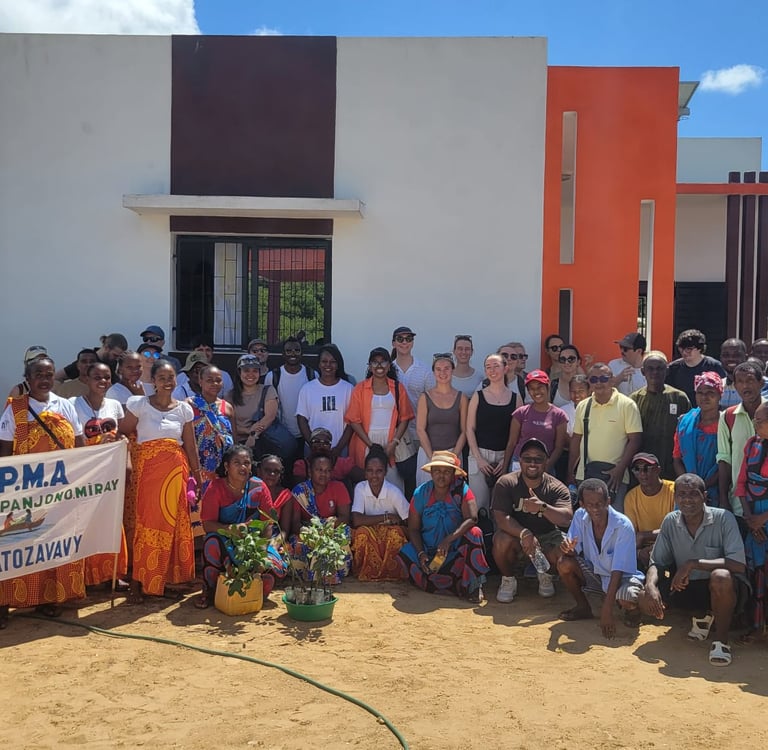
Writing this blog is unfortunately bittersweet. In doing so, it sadly means that I must accept that the 3rd CATER School is officially over. However, as I think back on the past two weeks spent in Madagascar, I am left feeling overwhelmingly proud, inspired, excited and thankful (and yes, just a little bit tired too!).
Aside from that last one, I think it is worth explaining exactly why I feel the way I do. It would be a very short blog post if I did not, but mainly it is to reflect on the uniqueness of the CATER experience – and to advertise this experience to all future candidates. In the interest of avoiding a long (and biased) manifesto of why I think CATER is great, I have done my best to limit myself to just one example for each!
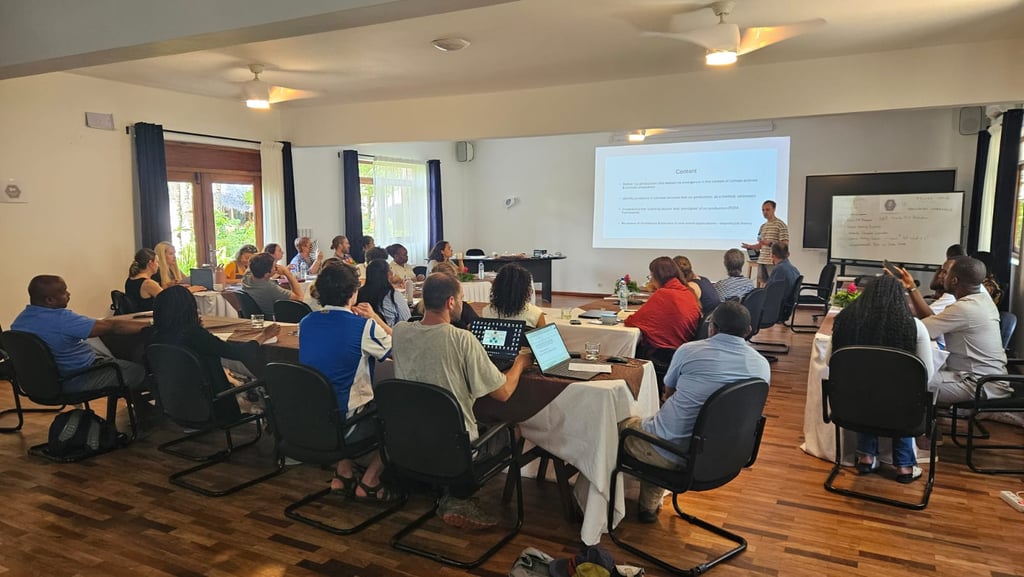
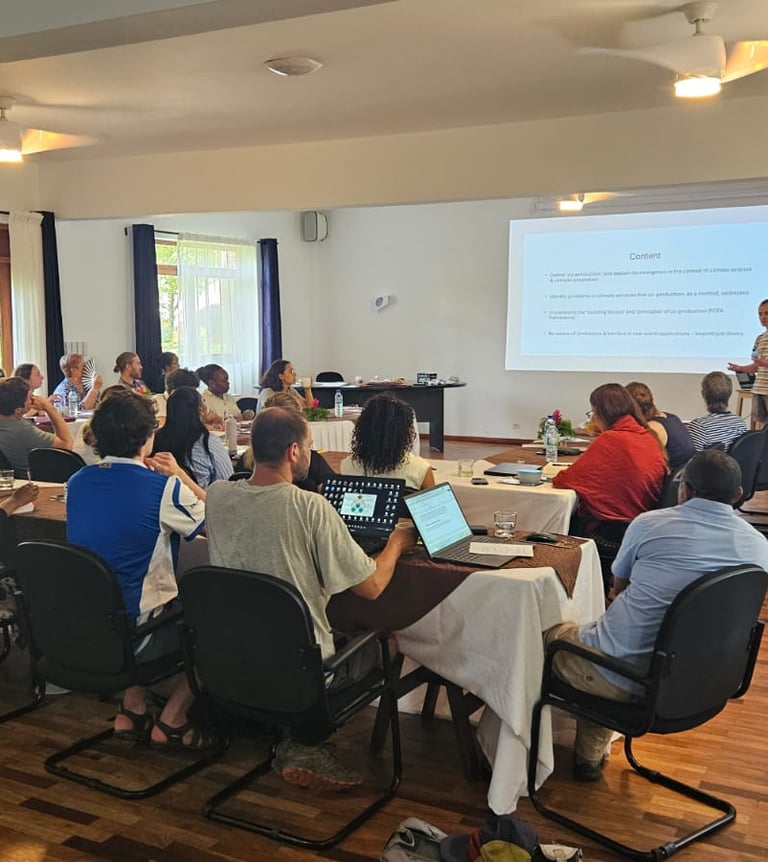
Firstly, I am proud that the School premise & content remains so progressive in its approach to better understanding, and building capacities around, climate risk and adaptation. The rare novelty of CATER lies in bringing together an incredibly diverse cohort of participants, from across the world, to unpack climate risk from a ‘transdisciplinary’ perspective. For example, it is not often that you overhear a conversation between an archaeologist, a meteorologist and a rural development practitioner on how climate service ‘co-production’ could be better evaluated. In a world of disciplinary research/summer schools, CATER proudly bucks this trend. Without providing a space for these types of transdisciplinary conversations to occur, rigid silos across science-policy-society interfaces will continue to stifle both the creativity and mutual understanding needed for equitable solutions to climate risks. CATER represents just a small piece of this larger puzzle, but I am proud that this dialogue is being nurtured at every School.
Secondly, I leave every CATER School hugely inspired by the participants themselves; by the breadth of their work and their excellence in that work. All CATER staff always comment that they leave the Schools having learnt more than they themselves taught. Yes, participants are given the opportunity to formally present their work, but most of the key reciprocal learning takes place through the sustained interactive and participatory environment emphasised across all School sessions. Participants bring with them a wealth of transdisciplinary experiences and insights, and the dialogue at CATER revolves around sharing this across the group. The content becomes so much richer because of this. Within the work tasks set by the School, participant-led morning plenary sessions are always a highlight. These are not stale summative presentations of the previous days learnings. Oh no! Interactive quizzes, role play scenarios, and charade games are just a few examples of how participants brought people together to reflect on key transdisciplinary issues within climate risk.* Finally, I am never not inspired by how participants are able to produce their own ‘serious game’ in such a short time. Within the course of each School, participants bring together course content and their own expertise to creatively give insight into the complexities of decision-making within real-world inspired climate risk and adaptation contexts.
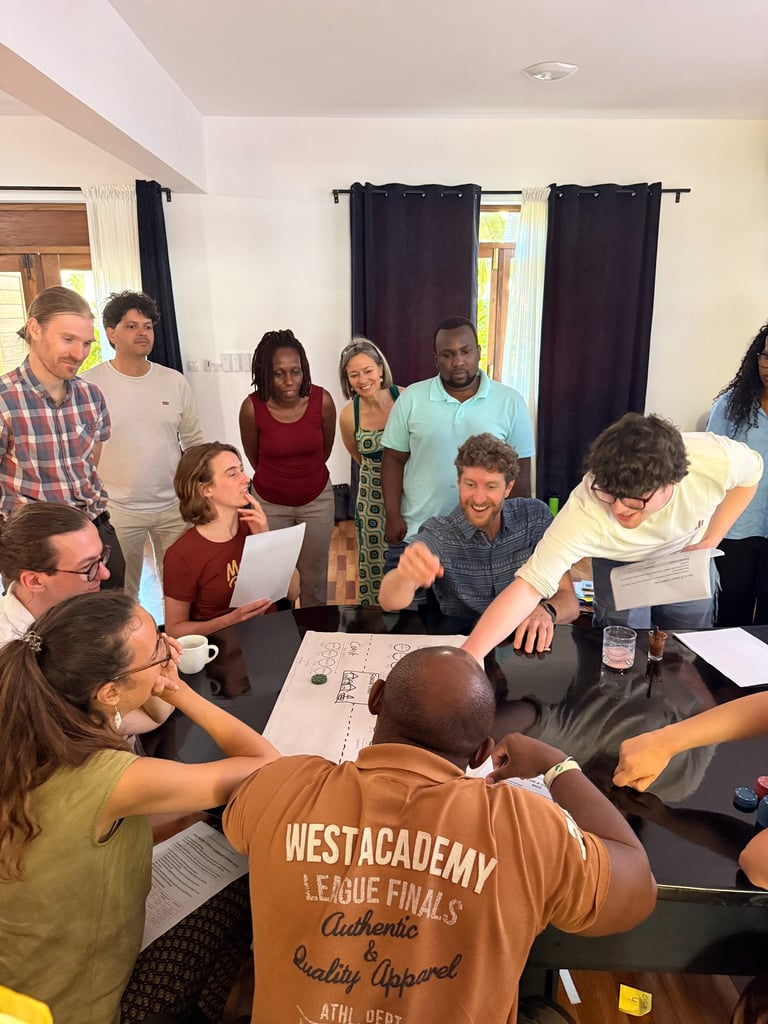
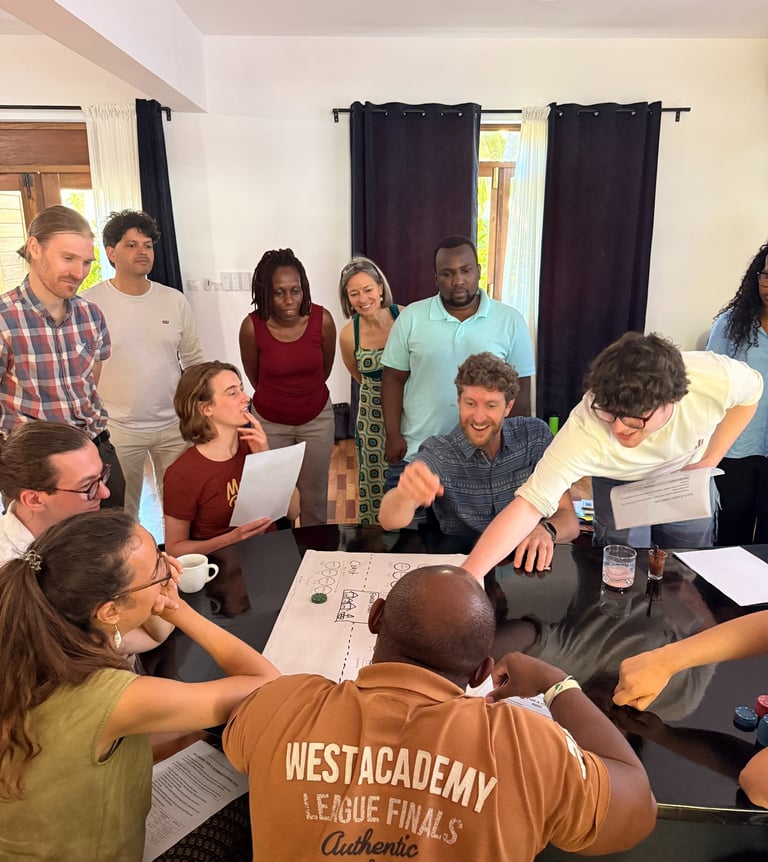
Thirdly, I am excited because it is clear that the CATER approach continues to resonate with both participants and staff alike. Across the whole School the level of reciprocal engagement and dialogue across participants and staff remained so high. Participants were coming together to discuss future project & academic article ideas, and I know of at least one staff/participant collaboration on the concept of ‘care’ in transdisciplinary co-production in the works. Additionally, this year’s cohort have also committed to carrying on the flame left by previous CATER participants in leading the self-organisation of a thriving CATER Alumni network. Hearing them discuss plans for future seminars, conferences, reading groups, and other opportunities is also fantastic; even more so when many of these activities may be supported by the CATER Alumni Stipend programme. Across the last two years CATER has supported multiple similar small ventures for different alumni looking to put the CATER School values into action. You can read more in the other blog posts (link). I am therefore excited to see what this latest cohort comes up with, what outcomes we see, and by the fact we still have 2 years on the project to continue building an even greater legacy!
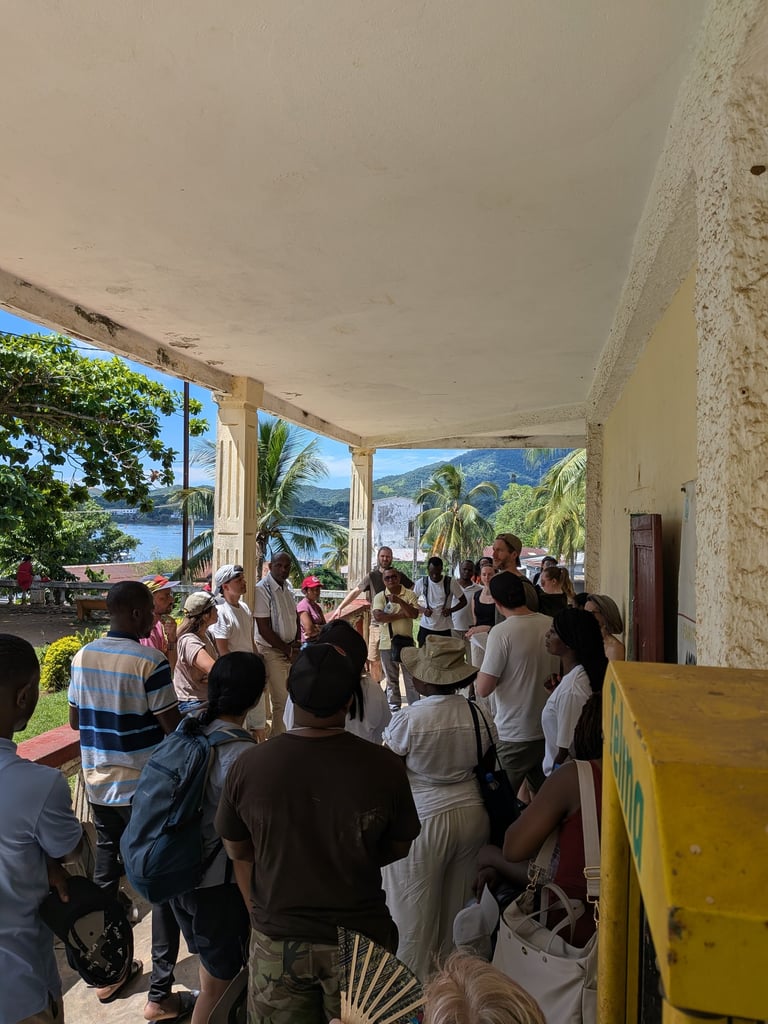
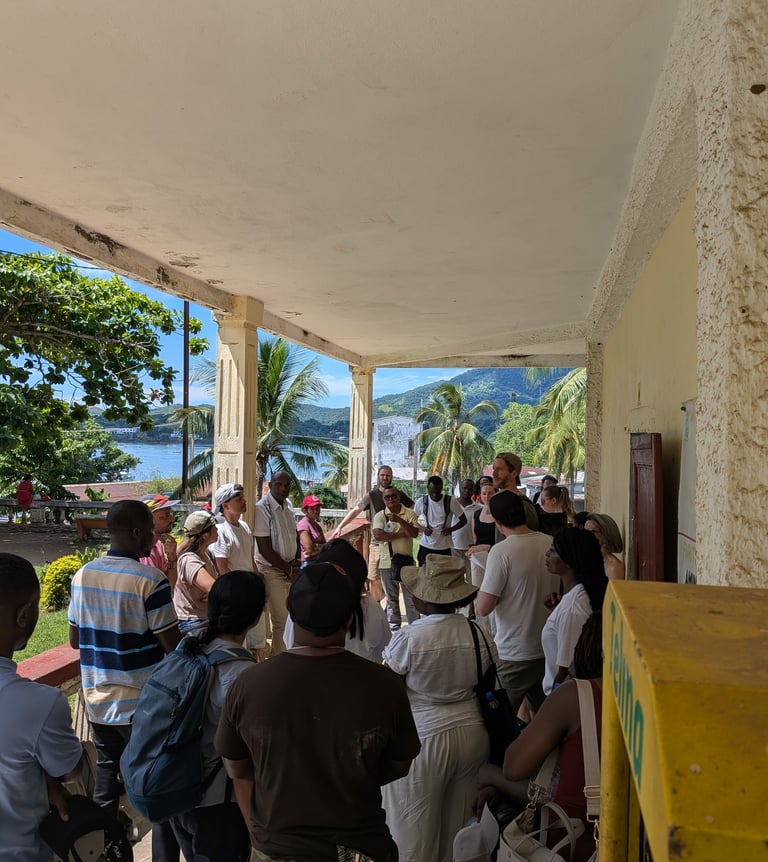
Finally, I am thankful. Thankful to the incredible staff at Ravintsara Hotel for hosting us for this years School. Thankful to the Malagasy communities & government representatives we visited to hear more about local climate risks and adaptation practice. Thankful to all others involved in the organisation and facilitation of the School. Thankful to the Norwegian Research Council for supporting such an alternative project. And finally, thankful to the School Staff themselves. No School is possible without you & all your efforts. Weaving together a curriculum stretching from the basics of weather forecasting and forecast uncertainty, through to different ways of understanding time in adaptation practice and the multiple layered complexities of climate adaptation pathways is certainly not easy. So, my final thanks is to them! I now can’t wait until CATER 2027 in Malawi – stay tuned for the application announcement!